Lesson
How We Save
Summary
A piggy bank can be raided any time you feel like spending — a bank account quietly pays you just for leaving your money alone. Explore the difference between stashing cash at home and depositing it into a real bank or credit union, and discover how interest turns saving into a reward instead of a chore.
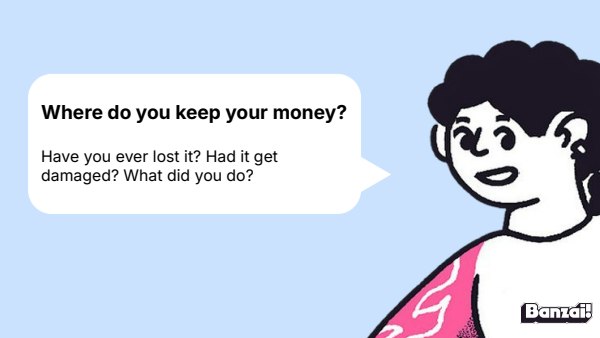
Warm-Up: Where Do You Keep Your Money?
- Have students share with a partner where they keep their money and whether they've ever lost or damaged it
- Collect a few responses to set up the saving-at-home vs. bank discussion
Instruction
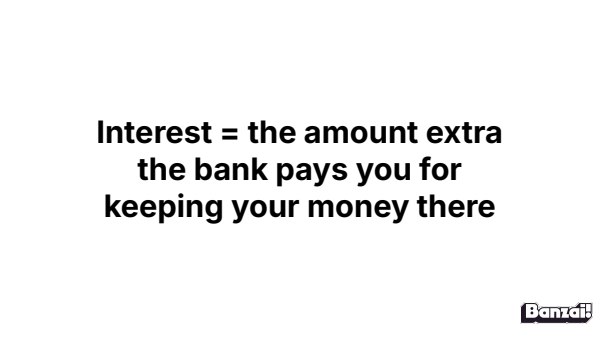
- Define financial institution, deposit, and interest using simple, concrete examples
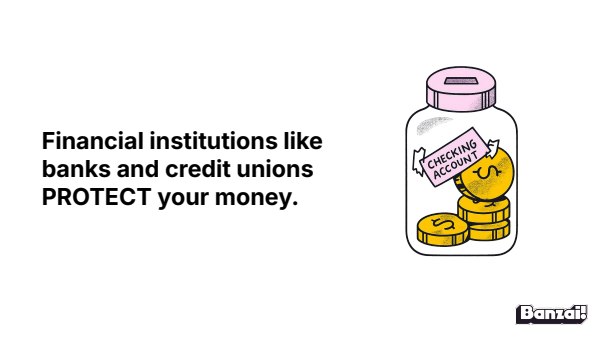
- Explain how banks protect money compared to keeping cash at home
Share: Financial Institutions
- What financial institutions are you aware of?
- Do you know where your family banks?
Activity: Sudden Savings Goal
- Students assemble workbook dice and complete the My Sudden Savings Goal activity
- Students practice totaling monthly savings with the Time to Save activity
Exit Ticket
- Banks will give you extra money if you keep your money there (True/False)
- Savings goals are only for adults (True/False)
| Est. Time | Activity | Description |
|---|---|---|
| 3 min | Warm-Up: Where Do You Keep Your Money? |
|
| 8 min | Instruction |
|
| 6 min | Share: Financial Institutions |
|
| 10 min | Activity: Sudden Savings Goal |
|
| 3 min | Exit Ticket |
|
Lesson Prep

Elementary Personal Finance Workbook
Offline activities covering financial vocabulary, budgeting, and saving.
Class Presentation
Includes a 15-slide deck with teacher notes. Present from Banzai, download a PDF, or copy it to Google Slides.

Presentations, Ready to Go
- Built-in PresentationPresent full screen, straight from Banzai
- Copy to Google SlidesMake an editable copy for your class
- Download or PrintSave as a PDF or print
- Teacher NotesSlide-by-slide guidance, printable as one handout
Unit 2: Banks, Credit, and Insurance

How We Save
A piggy bank can be raided any time you feel like spending — a bank account quietly pays you just for leaving your money alone. Explore the difference between stashing cash at home and depositing it into a real bank or credit union, and discover how interest turns saving into a reward instead of a chore.
Investing Intro
A seed costs less than an apple but can grow into a whole orchard — that's the heart of investing. Explore how saying no to money now can mean more money later, and discover how building skills is its own kind of investment.
First Lessons in Credit
Credit isn't free money — it's a promise with a price tag attached. This lesson introduces 3rd-5th graders to how borrowing works, why interest exists, and how trustworthiness shapes a person's ability to borrow, using a lending activity and real-world reasoning.
How do Banzai lesson plans work? See the FAQ.